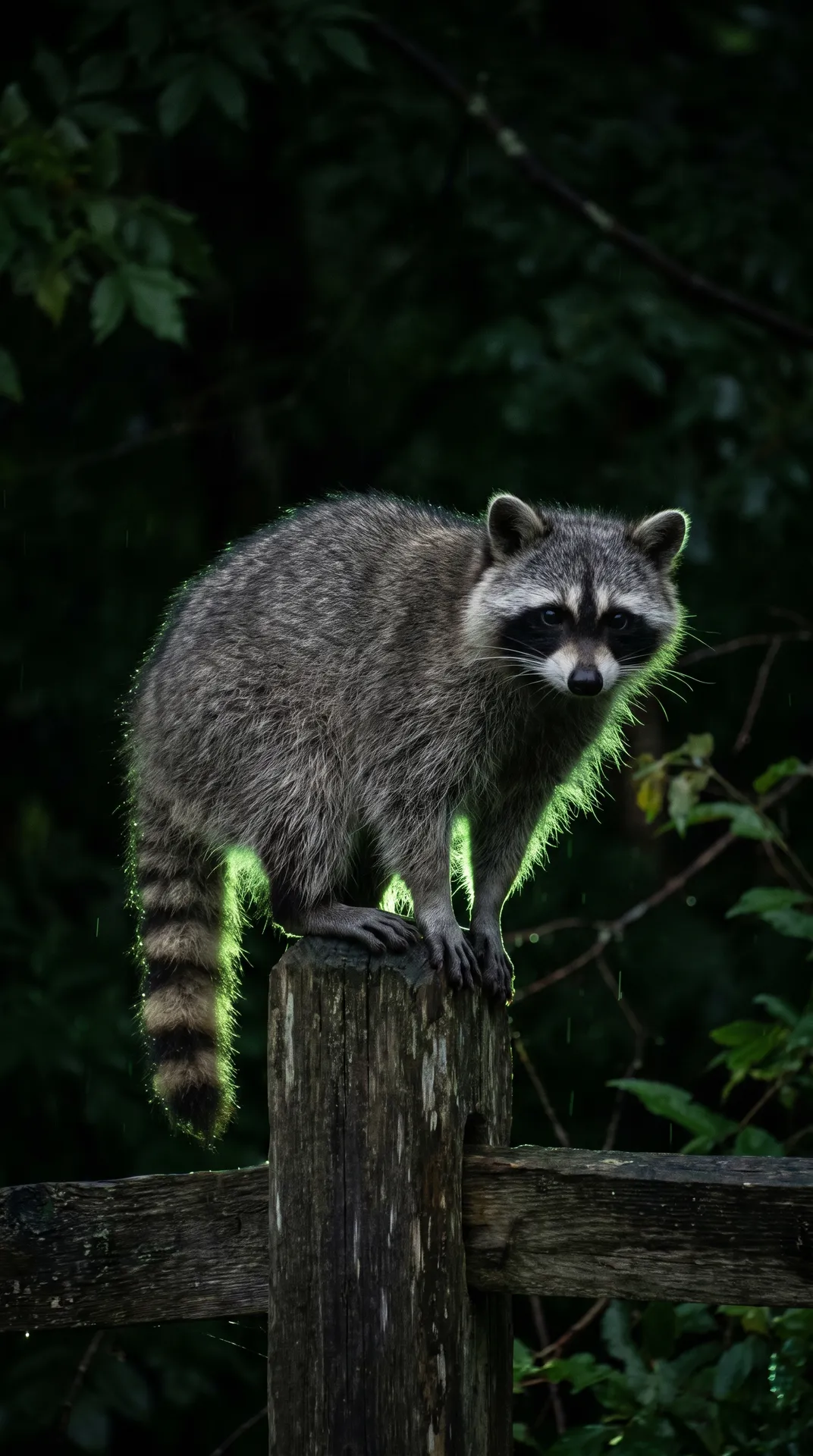
The masked bandit that sees the world through its hands
This masked bandit has hands so sensitive it 'sees' the world by touch.
Which one is REALLY true about the Raccoon?
The short version
The raccoon's front paws have ~4x the touch receptors of most mammals, and a big share of its brain is devoted to feeling. Dipping food in water isn't washing — water makes its paws even more sensitive. In studies raccoons cracked complex locks and remembered the solutions for years, which is why they thrive in cities.
Why it's so weird
- ✓The Raccoon explores the world almost entirely through its hands.
- ✓The Raccoon has front paws packed with around four times more touch receptors than most mammals.
- ✓The Raccoon devotes a huge part of its brain just to the sense of touch.
- ✓The Raccoon dips food into water not to wash it, but because water makes its paws even more sensitive.
- ✓The Raccoon can crack open complex locks and remember the solutions for years afterward.
You could line up about 2 of them along a 7-year-old!
The full story
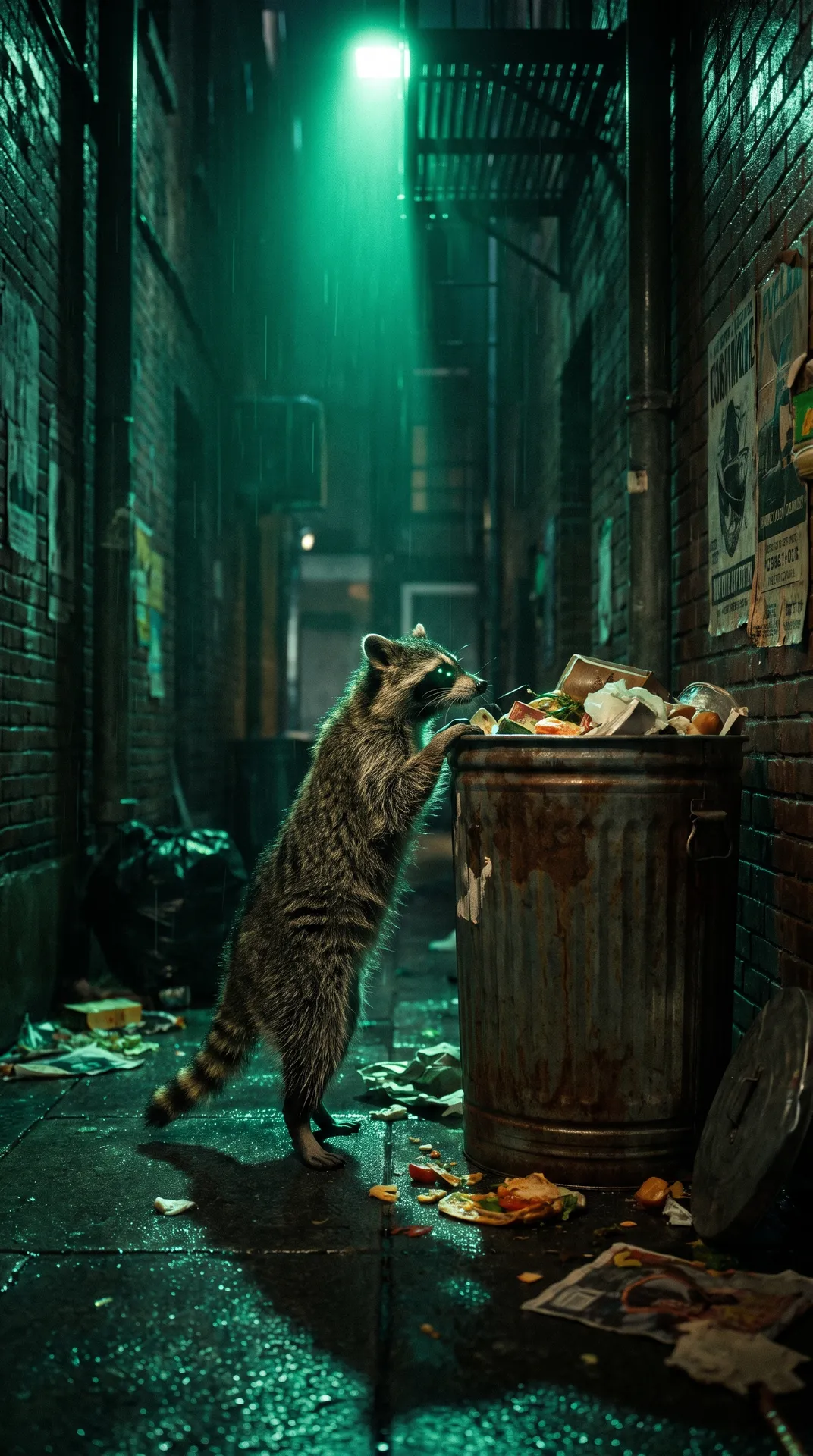
This masked little bandit explores the world almost entirely through its hands. Meet the raccoon, one of the smartest and most dexterous animals in your whole neighborhood. Its front paws are packed with touch receptors, around four times more than most mammals, and a huge part of its brain is devoted just to feeling. So when it dips food into water, it is not really washing it at all. The water makes its paws even more sensitive, letting it feel every tiny detail of what it is holding. Raccoons are also incredible problem solvers. In studies, they cracked open complex locks, and then remembered the solutions for years afterward. That intelligence is exactly why they thrive in our cities, prying open trash cans, latches, and jars that would stump almost any other animal. Curious, clever, and nearly impossible to keep out. Follow for more weird animal facts.
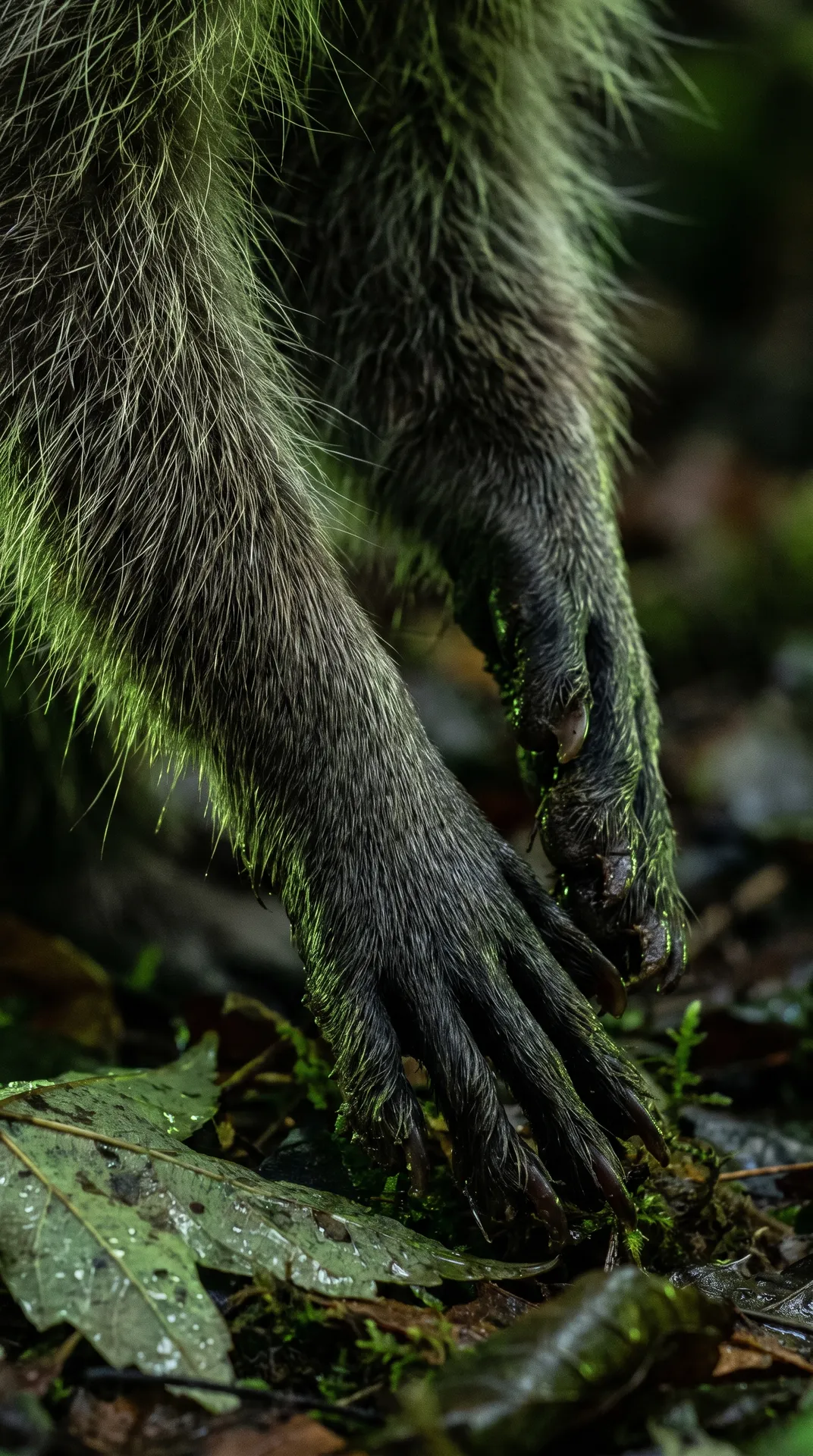
A raccoon's hairless front-paw skin is packed with tiny nerve endings called mechanoreceptors that fire the instant the skin is touched or bent, and raccoons have about four to five times more of them than most mammals, so a single touch floods the brain with detail. Because so much information streams in from the paws, an unusually large share of the raccoon's touch-processing brain area (the somatosensory cortex) is devoted to the front paws, letting it 'picture' an object by feel alone. Dunking food in water isn't washing: wetting the paws makes those nerve endings respond more strongly, sharpening the sense of touch.
📚 Source: Five fun facts about raccoons — Forest Preserve District of Will County ↗Neuroscientists recorded from single touch nerves in raccoons' forepaw skin and found the mechanoreceptors fired to extremely light pressure and had tiny receptive fields — 85% of them smaller than one millimetre across — direct proof of how finely the paw can feel.
📚 Source: Functional properties of mechanoreceptors in glabrous skin of the raccoon's forepaw (Experimental Neurology) ↗Watch the 45-second version
Watch it on the channel.
Raccoon gallery
Check what you learned
No score, no pressure — just see what stuck. Tap Real or Fake.
“The Raccoon explores the world almost entirely through its hands.”
“The Raccoon is an Ice Age relic that once shared the plains with woolly mammoths.”
“The Raccoon has front paws packed with around four times more touch receptors than most mammals.”