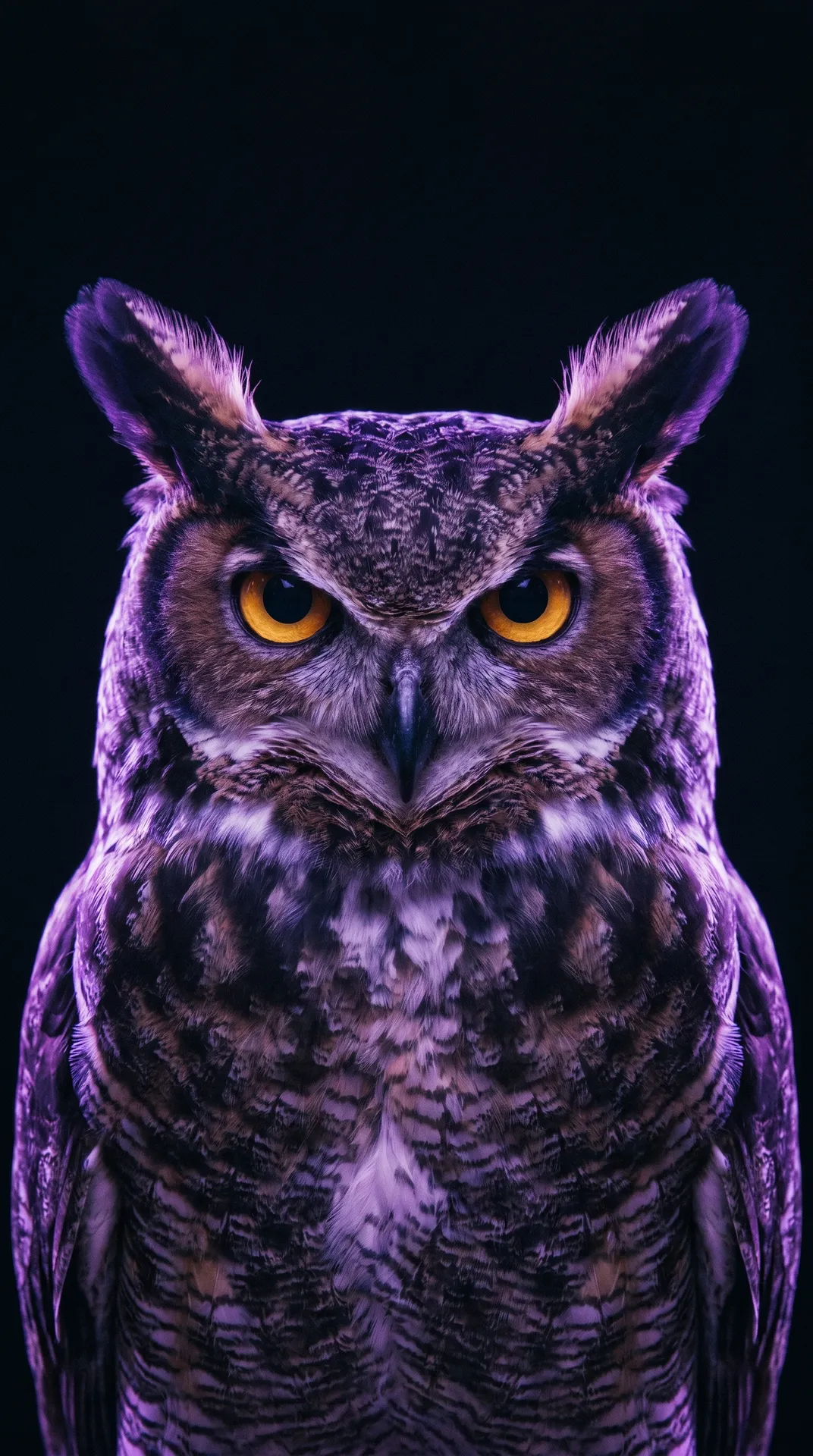
The bird that can spin its head almost all the way around
This bird can spin its head almost all the way around — without cutting off the blood to its own brain.
Which one is REALLY true about the Owl?
The short version
Owls can rotate their heads up to 270 degrees — three quarters of a full circle. Their giant eyes are locked in place, so they evolved extra neck vertebrae and stretchy, blood-pooling arteries that keep the brain supplied while they twist.
Why it's so weird
- ✓The Owl can rotate its head up to 270 degrees — three quarters of a full circle.
- ✓The Owl has 14 neck vertebrae, double what humans have.
- ✓The Owl stores backup blood in stretchy neck arteries so its brain never starves while it twists.
- ✓The Owl turns its whole head because its giant eyes are locked in place.
You could line up about 2 of them along a 7-year-old!
The full story
This bird can spin its head almost all the way around, without cutting off the blood to its own brain. Meet the owl. It can rotate its head up to two hundred and seventy degrees, three quarters of a full circle, in one smooth twist. If you tried that, you would snap the arteries in your neck and pass out. So how does the owl survive it? Its neck has fourteen vertebrae, double what we have. And the arteries feeding its brain are wide and stretchy, with little pools that store backup blood. When the owl twists, that reserve keeps its brain supplied the whole time. Owls evolved this for a reason. Their giant eyes are locked in place and cannot move. So to look around, an owl has to turn its entire head. Basically, it is a bird with a built-in three sixty camera and no off switch. Follow for more weird animals.
An owl's eyes are shaped like long tubes locked into its skull, so they can't roll around the way yours can. To look sideways or behind, the owl must swing its whole head, and its 14 neck bones (twice as many as you have) let it twist about 270 degrees. The catch is that turning that far can squeeze the arteries carrying blood to the brain. Owls fix this with arteries that run through extra-wide holes in the neck bones so they don't get pinched, plus stretchy spots that hold a little spare blood, keeping the brain fed the whole time.
📚 Source: Smithsonian Magazine: Solving the Mystery of Owls' Head-Turning Abilities ↗Johns Hopkins scientists studied owls that had died of natural causes by CT-scanning them and injecting colored dye into the neck arteries, then gently turning the heads, which let them see the vessels widen and pool blood instead of getting crushed.
📚 Source: Smithsonian Magazine: Solving the Mystery of Owls' Head-Turning Abilities ↗Watch the 45-second version
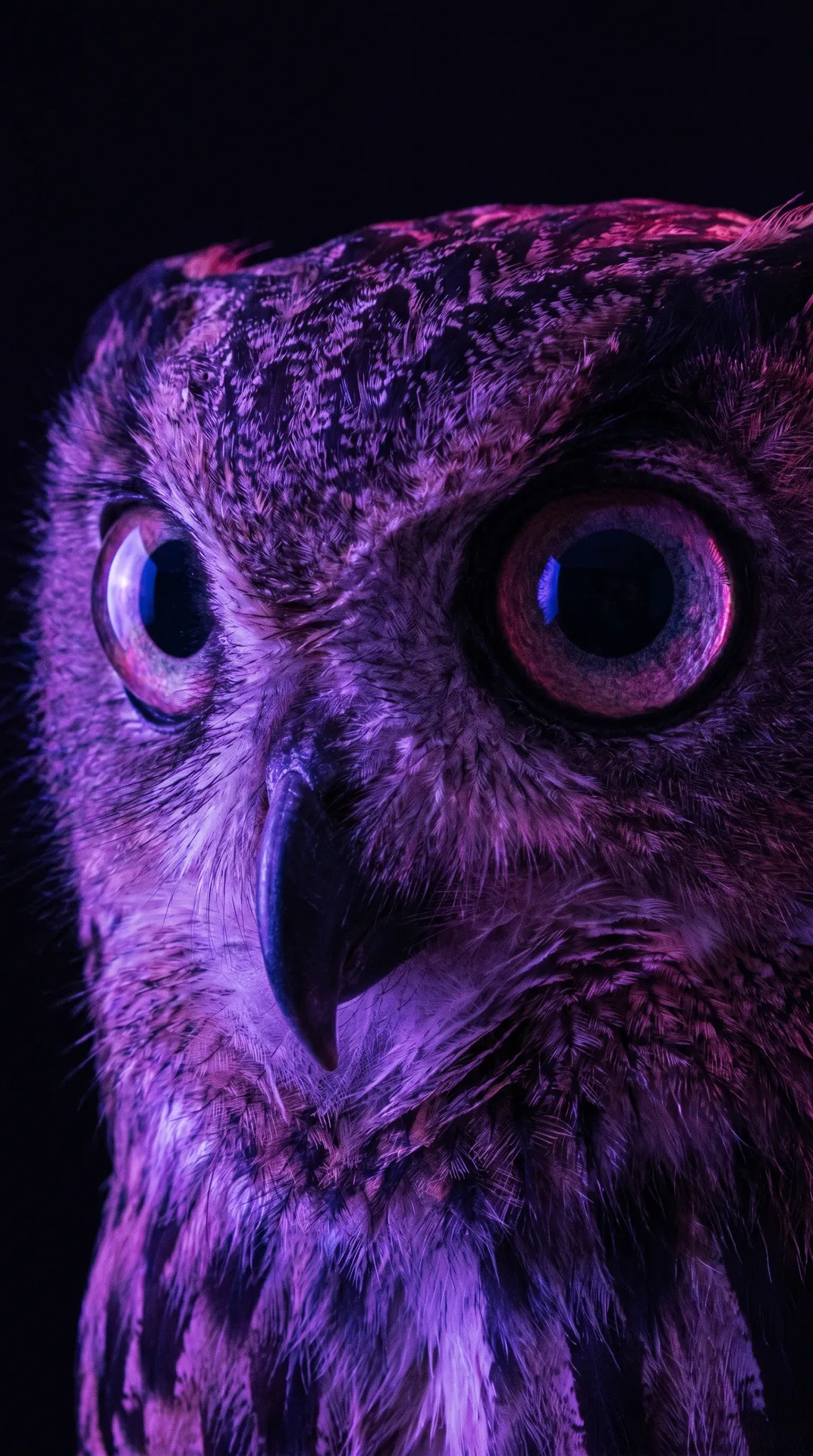
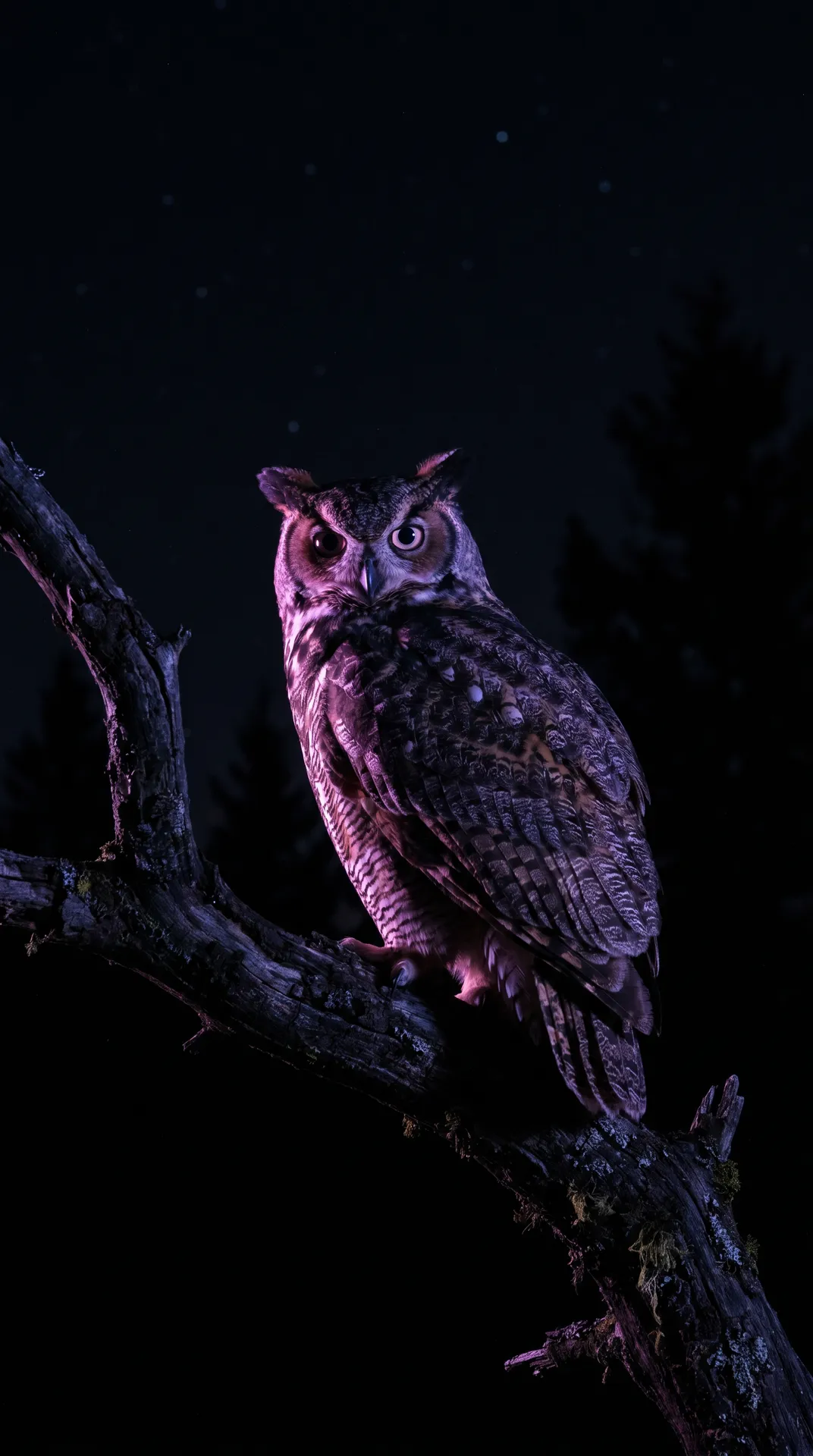
Owl gallery
Check what you learned
No score, no pressure — just see what stuck. Tap Real or Fake.
“The Owl can rotate its head up to 270 degrees — three quarters of a full circle.”
“The Owl rolls into an armored ball so tough that even a lion usually gives up and walks away.”
“The Owl has 14 neck vertebrae, double what humans have.”