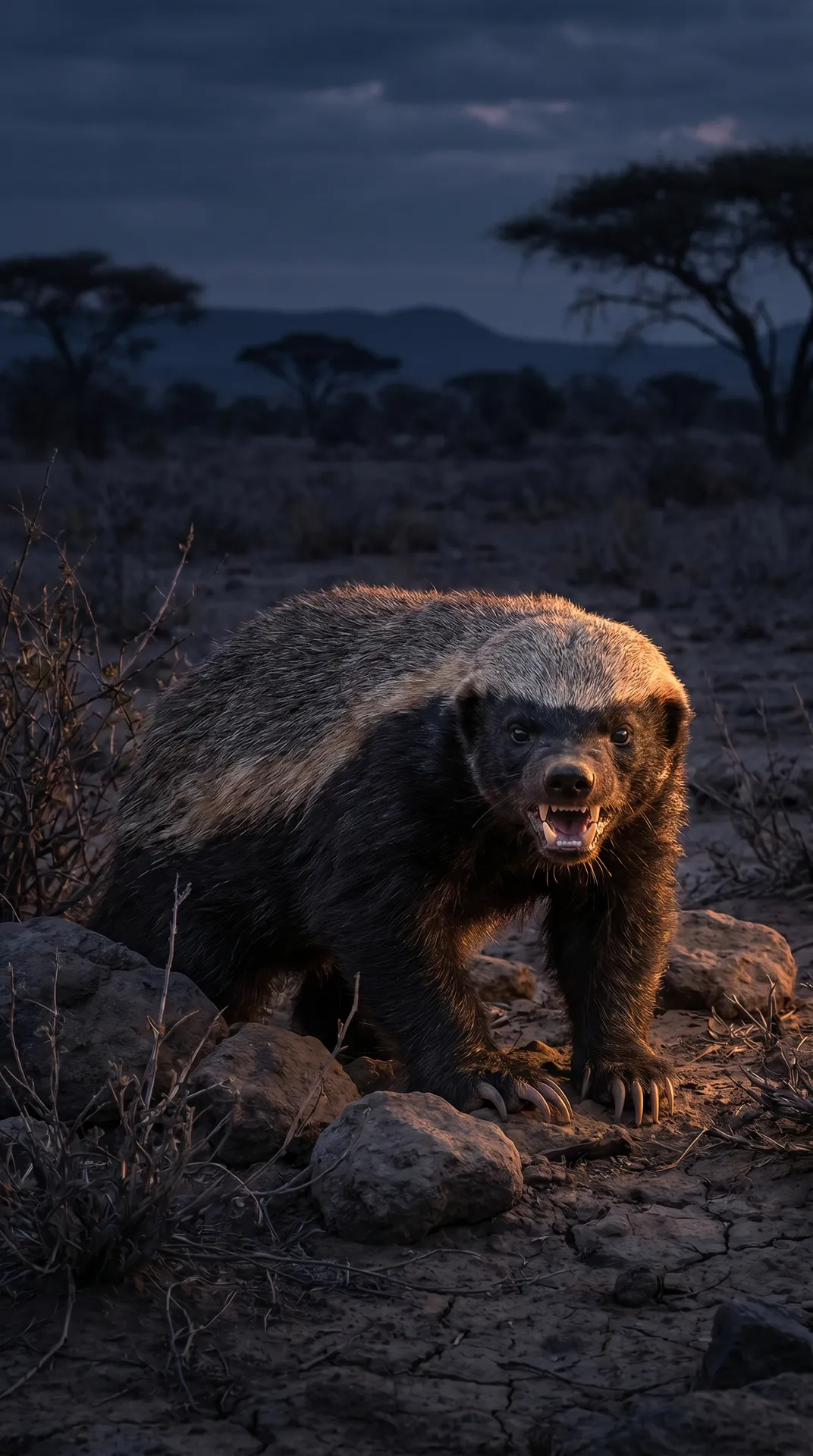
The animal that naps off cobra venom
This animal can get bitten by a cobra, pass out, then wake up like nothing happened.
Which one is REALLY true about the Honey Badger?
The short version
The honey badger is one of the most fearless animals on Earth. Its thick, rubbery skin shrugs off most bites and stingers, and when a venomous snake does land a bite, it often just naps off the venom — then wakes up and finishes eating the snake.
Why it's so weird
- ✓The Honey Badger can survive a cobra bite by simply napping off the venom.
- ✓The Honey Badger has skin so thick and rubbery that most bites and stings bounce off.
- ✓The Honey Badger will wake up and finish eating the very snake that bit it.
- ✓The Honey Badger raids beehives covered in bees and steals food straight from lions.
You could line up about 2 of them along a 7-year-old!
The full story
This animal can get bitten by a cobra, completely pass out, and then wake up a few hours later like absolutely nothing happened. Meet the honey badger, officially one of the most fearless animals on the entire planet. Its skin is so thick, loose, and rubbery that most bites, bee stings, and even sharp porcupine quills basically just bounce right off. And when a venomous snake does land a solid bite, the honey badger will often just take a little nap, sleep off the venom, and then wake up and finish eating the very snake that bit it. It raids beehives covered in angry bees, steals food directly from lions, and genuinely does not care about anything. It is basically nature's tiny, furry, unkillable tank. Follow for more weird animals.
A cobra's venom carries tiny molecules called alpha-neurotoxins. Normally they plug into 'docking ports' on muscle cells (acetylcholine receptors) and jam the signal that tells the breathing muscles to keep working, so the victim can't breathe. Honey badgers have a tiny change in the shape of those docking ports, so the venom mostly can't fit and can't jam them. The badger may still go groggy and rest while its body clears any venom that got in, then wake up fine. This receptor trick is best proven for cobra-type (elapid) venom, not every snake.
📚 Source: Why is the honey badger immune to venom? (Institute for Environmental Research and Education) ↗Scientist Danielle Drabeck and her team at the University of Minnesota studied honey badger DNA and blood (from zoo samples) in a 2015 study and found a specific change in the acetylcholine-receptor gene that stops cobra neurotoxins from latching on the way they do in other animals.
📚 Source: Honey badger venom resistance: biologists discover the secret (Slate, reporting on Drabeck et al. 2015, Toxicon) ↗Watch the 45-second version
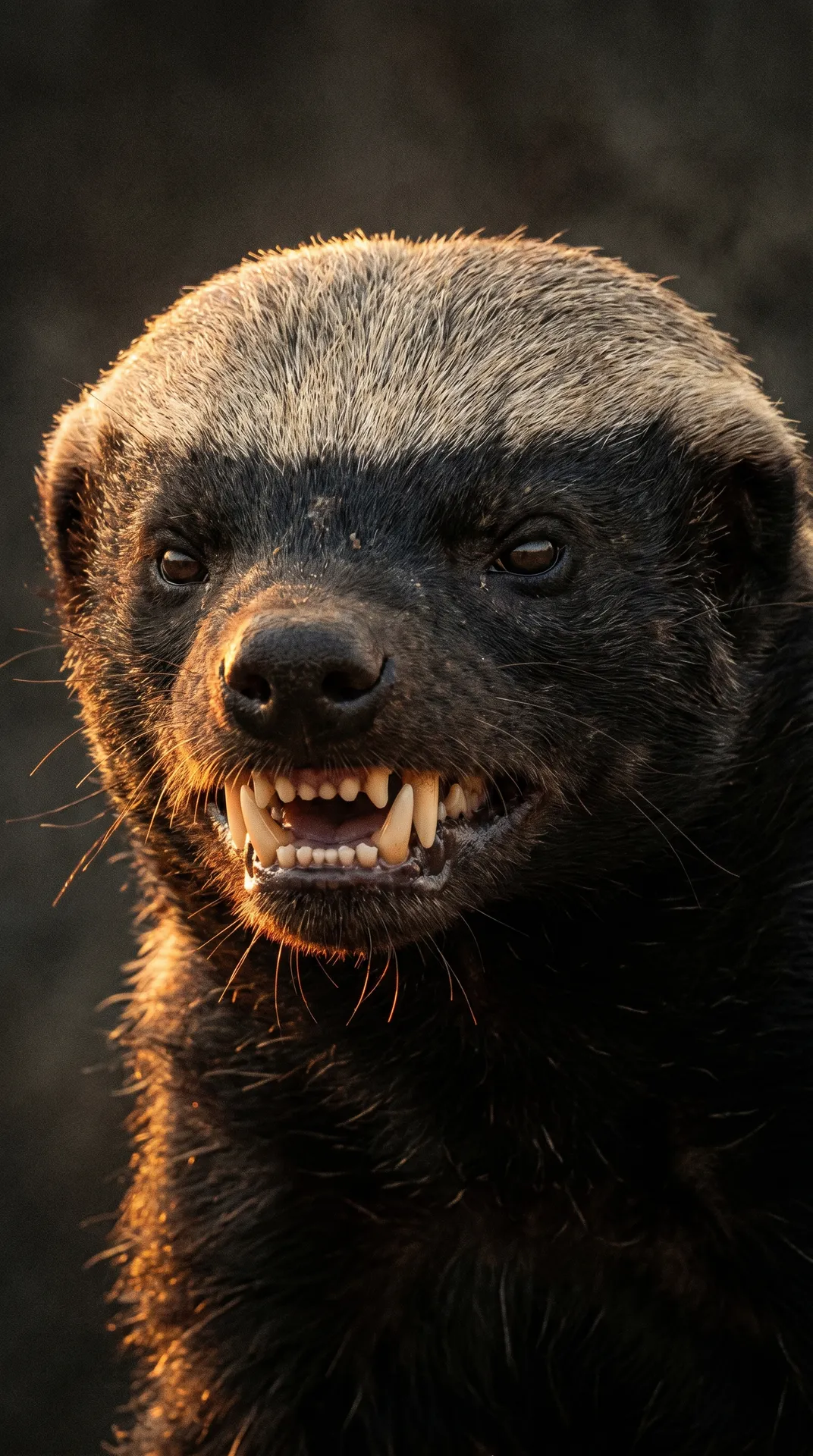
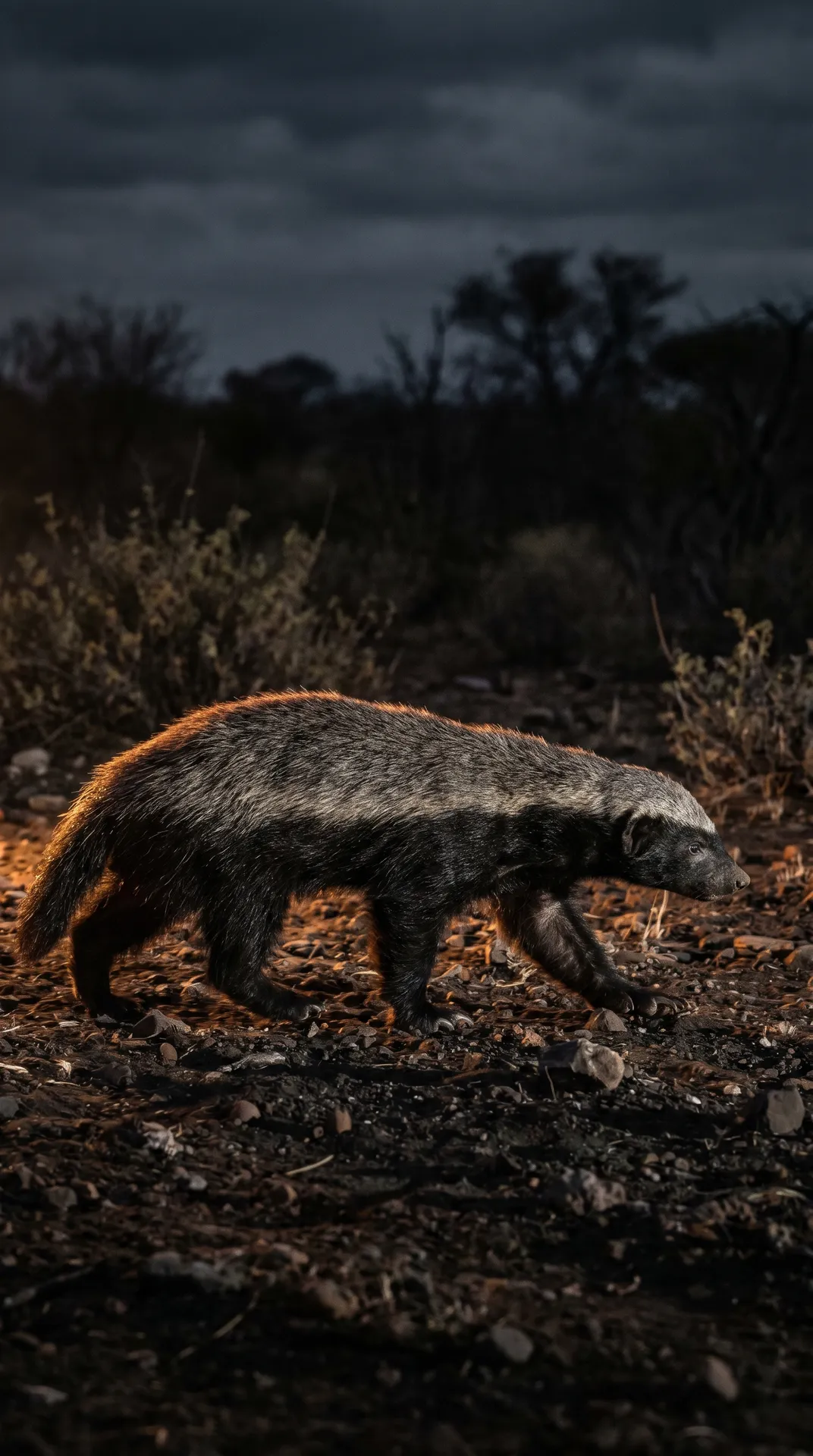
Honey Badger gallery
Check what you learned
No score, no pressure — just see what stuck. Tap Real or Fake.
“The Honey Badger can survive a venomous cobra bite by simply napping off the venom.”
“The Honey Badger lives in deserts where food arrives in sudden bursts and then vanishes for months.”
“The Honey Badger has skin so thick and rubbery that most bites and stings bounce off.”