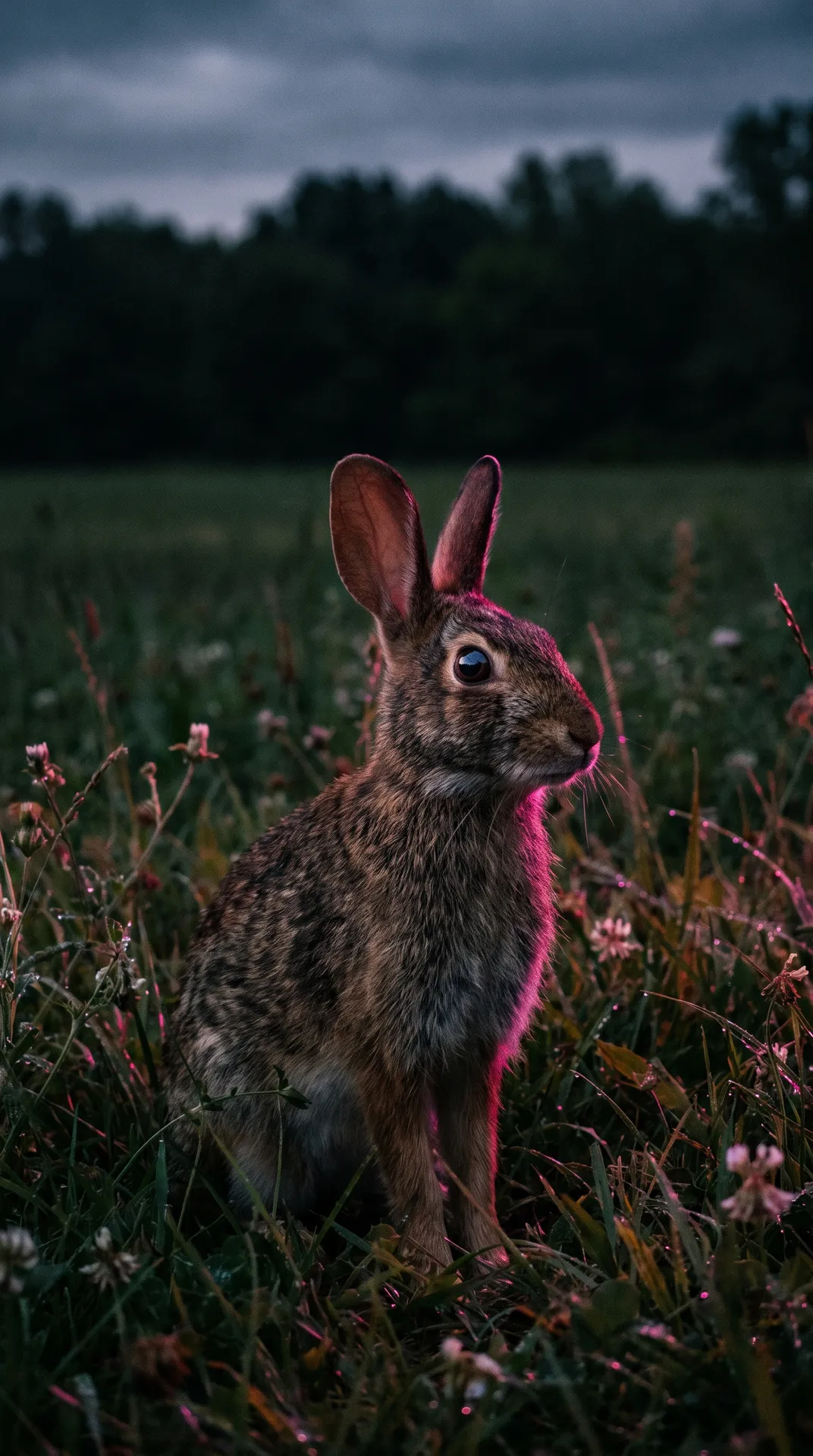
The backyard bunny that eats its own droppings on purpose
This cute bunny survives by eating its own droppings, on purpose.
Which one is REALLY true about the Cottontail Rabbit?
The short version
The cottontail rabbit eats its own soft droppings (cecotropes) to run food through its gut twice and absorb nutrients it missed the first time. It has nearly 360-degree vision (but a blind spot right in front of its nose), freezes to avoid detection, and can zigzag-sprint up to 18 mph.
Why it's so weird
- ✓The Cottontail Rabbit eats its own soft droppings on purpose to digest its food a second time.
- ✓The Cottontail Rabbit cannot pull all the nutrients out of tough plants on the first pass through its gut.
- ✓The Cottontail Rabbit has nearly 360-degree vision to spot from almost every direction at once.
- ✓The Cottontail Rabbit is weirdly blind in a small spot right in front of its own nose.
- ✓The Cottontail Rabbit freezes completely still, then explodes into a zigzag sprint up to 18 miles an hour.
You could line up about 3 of them along a 7-year-old!
The full story
This adorable backyard bunny has a secret that is a little bit gross. Meet the cottontail rabbit, which actually eats its own droppings on purpose. Plants are so hard to digest that a rabbit's body cannot pull out all the nutrients on the first pass. So it produces special soft pellets, then eats them again, running the food back through its gut a second time to absorb everything it missed. It is basically built-in recycling. Cottontails also have nearly three hundred and sixty degree vision, letting them spot predators from almost every direction at once, though they are weirdly blind right in front of their own nose. When danger appears, they freeze completely still, then explode into a zigzag sprint up to eighteen miles an hour. Cute, twitchy, and full of clever survival tricks. Follow for more weird animal facts.
A cottontail's own stomach can't break down the tough, stringy fiber in grass and leaves. So that plant material travels to a stretchy pouch called the cecum, where billions of helpful bacteria ferment the fiber and build fresh nutrients like B vitamins and protein. The catch: the cecum sits past the part of the gut that soaks up nutrients, so those good things would be lost. The rabbit's clever fix is to pack that mush into soft pellets called cecotropes and eat them, sending the food through a second time so its body can finally absorb what the bacteria made.
📚 Source: MSD Veterinary Manual — Nutrition of Rabbits ↗Scientists separately analyzed a rabbit's cecum contents, its soft cecotropes, and its hard droppings and found the soft pellets held far more nutrient-making bacteria and short-chain fatty acids than the hard ones, showing exactly why rabbits re-eat the soft ones.
📚 Source: Microbiome-Metabolome Analysis of Cecal Contents, Soft Feces, and Hard Feces of Rabbits (PMC / NIH) ↗Watch the 45-second version
Watch it on the channel.
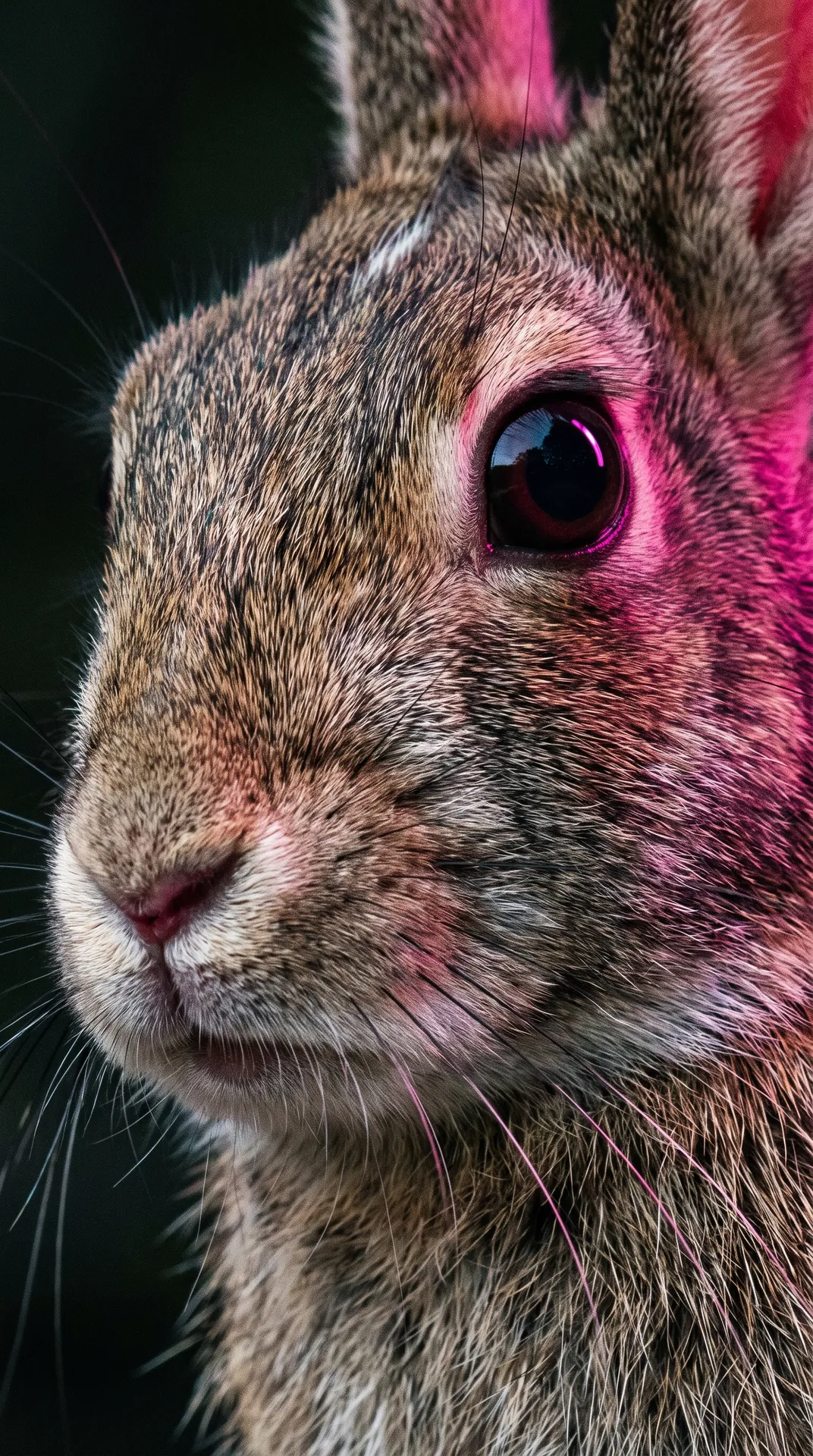
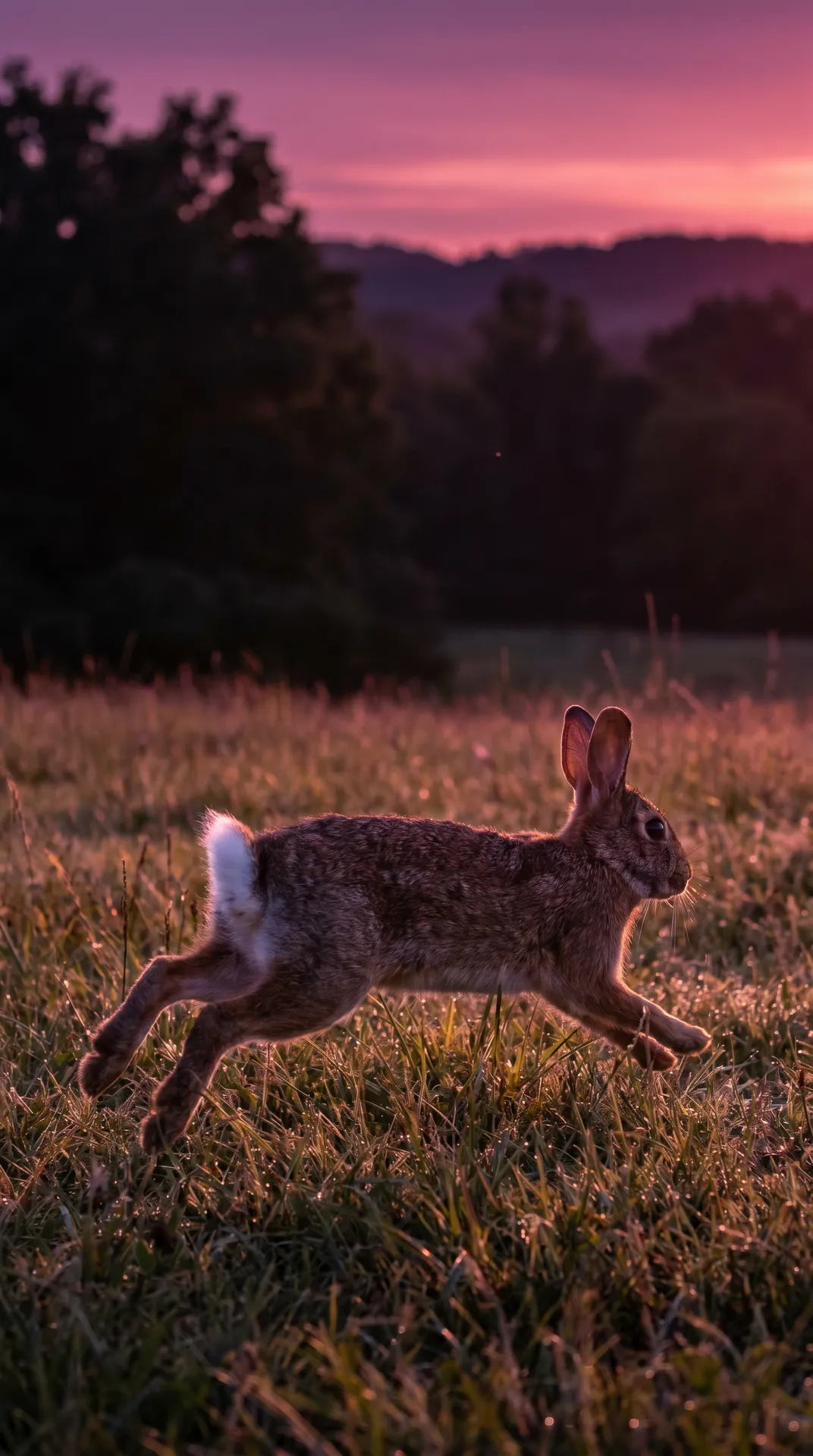
Cottontail Rabbit gallery
Check what you learned
No score, no pressure — just see what stuck. Tap Real or Fake.
“The Cottontail Rabbit eats its own soft droppings on purpose to digest its food a second time.”
“The Cottontail Rabbit is one of the most adaptable predators on the planet, living almost anywhere.”
“The Cottontail Rabbit cannot pull all the nutrients out of tough plants on the first pass through its gut.”